
Why Rest Is Just as Important as Exercise
When it comes to fitness and rehab, rest often gets forgotten. We’re encouraged to move more, do more, push harder. But without proper rest, even the best exercise programme can become problematic leading to pain, increasing the risk of injury.
When I first started running, I didn’t think much about rest and recovery. When I trained for long distance runs such as half marathons and marathons, sure, there were recovery weeks, but I didn’t necessarily pay much attention, that is till injury hit.
Injury has taught me a lot about the body and movement.
Rest Is Where Recovery Happens
Exercise creates stress on the body. That’s not a bad thing, this is how you build strength, mobility and endurance. But the real magic only happens after the session.
During rest:
Muscles repair and rebuild
Connective tissues recover
Inflammation settles
Energy systems replenish
If you don’t get enough rest, your body never fully adapts. Instead of getting stronger, you can feel tired, stiff, or sore for longer than expected. This leaves you open to poor movement and potentially injuries.
Periods of rest are especially important if you’re exercising regularly, returning after a break, or increasing your activity levels.
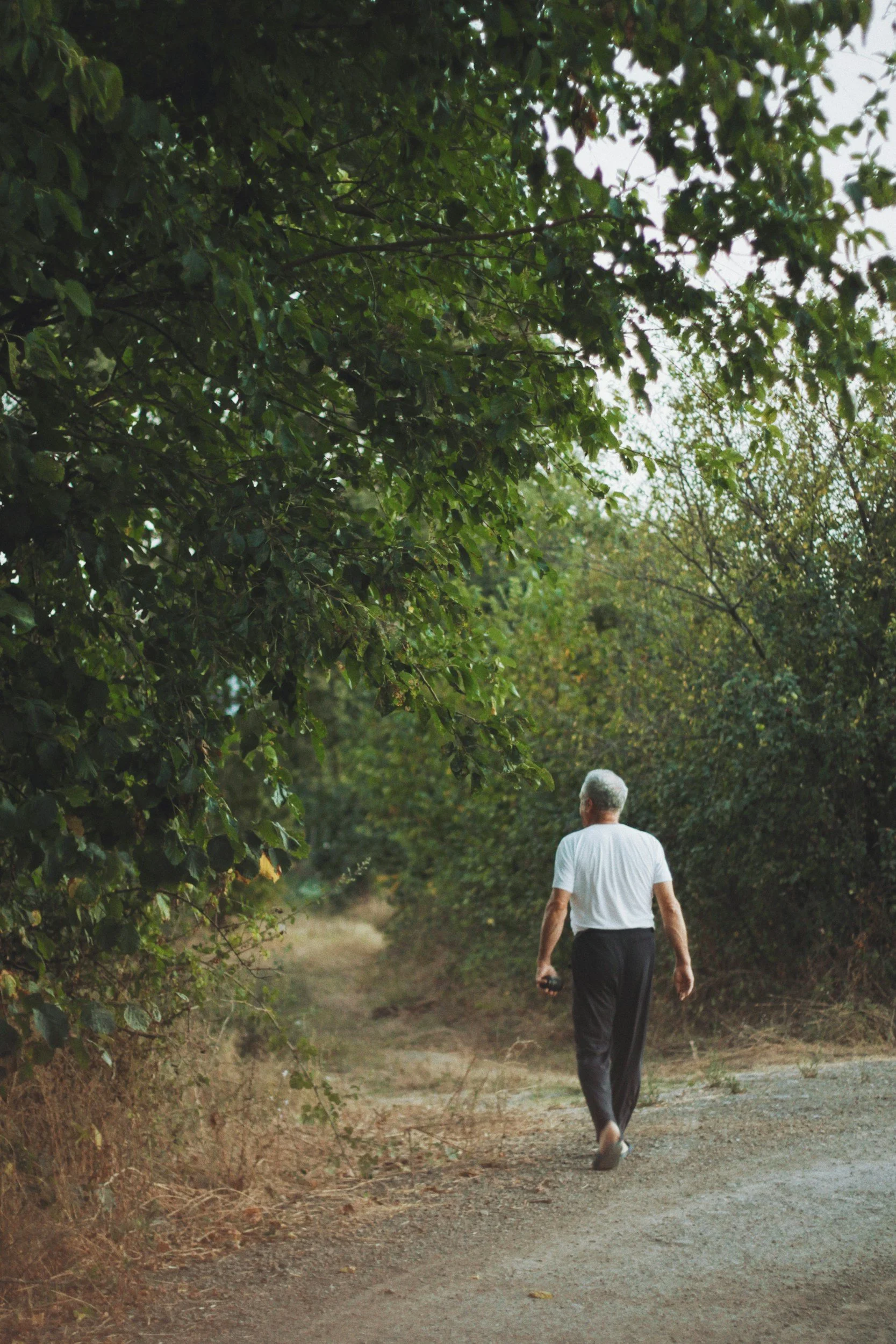
Walking is a form of active rest
Rest Supports Injury Repair
If you’re recovering from an injury, rest is essential.
While gentle movement and targeted exercise are key parts of rehabilitation, too much too soon can delay healing. Rest allows damaged tissues time to repair and prevents small issues from becoming long-term problems.
Ignoring rest often leads to:
Ongoing niggles that never quite settle
Repeated flare-ups
Compensation patterns that create pain elsewhere
A smart rehab plan balances movement and recovery, so the body can heal properly rather than constantly playing catch-up.
Many of the clients I work with suffer from chronic pain - niggles that never quite settle. This maybe because they've developed compensation patterns or because their work doesn’t allow them enough time to recover. I work with them to uncover what may be contributing to their ongoing pain, helping them develop awareness in order to allow recovery to take place.
Mental Health Benefits of Rest
Rest isn’t just physical, it’s great for you mentally too.
Constantly pushing can increase stress, disrupt sleep, and leave you feeling flat or overwhelmed. Taking time to rest helps regulate the nervous system, improve focus and support your emotional wellbeing.
Good rest can:
Improve sleep quality - read more about importance of sleep
Reduce anxiety and mental fatigue
Boost motivation and consistency with exercise
For many people, learning to rest is just as important as learning how to exercise.
What Good Rest Actually Looks Like
Rest doesn’t always mean doing nothing - it definitely doesn’t mean sitting on your sofa for days on end! Rest is about choosing the right type of recovery for your body.
Helpful forms of rest include:
Proper sleep (7–9 hours where possible)
Lighter movement days between harder sessions - variety is the spice of life
Gentle mobility or walking - keep moving
Having a massage or soft tissue treatment - these sessions can boost your body’s ability to recover faster
Taking full rest days when your body needs them - your ‘do nothing’ days
Being aware of early signs like lingering soreness, poor sleep, or low energy can prevent bigger issues later.

EMMETT technique is a great way to release tension in muscles allow them to relax and recover
Rest Makes Space For Progress
Exercise builds the foundation, but rest is what allows progress. Whether your goal is to move better, recover from injury, or stay active long-term, recovery is not a luxury, it’s part of the process.
Regular soft tissue therapy sessions should form an important part of the rest and recovery process. My integrated sessions are a great way to ensure your body is working well, preventing tension build up that could lead to future injuries.
Sabrina is a movement specialist based in Worcester Park, London, helping people overcome pain, move better, and enjoy active, fulfilling lives. With expertise in sports and remedial massage, personal training, and the Emmett Technique, she works with clients to relieve pain, improve mobility, and build strength. Treatments and training sessions take place in her private home treatment and training room. If you would like to discuss your needs, book a Discovery Call.