
Why Is Sleep Important?
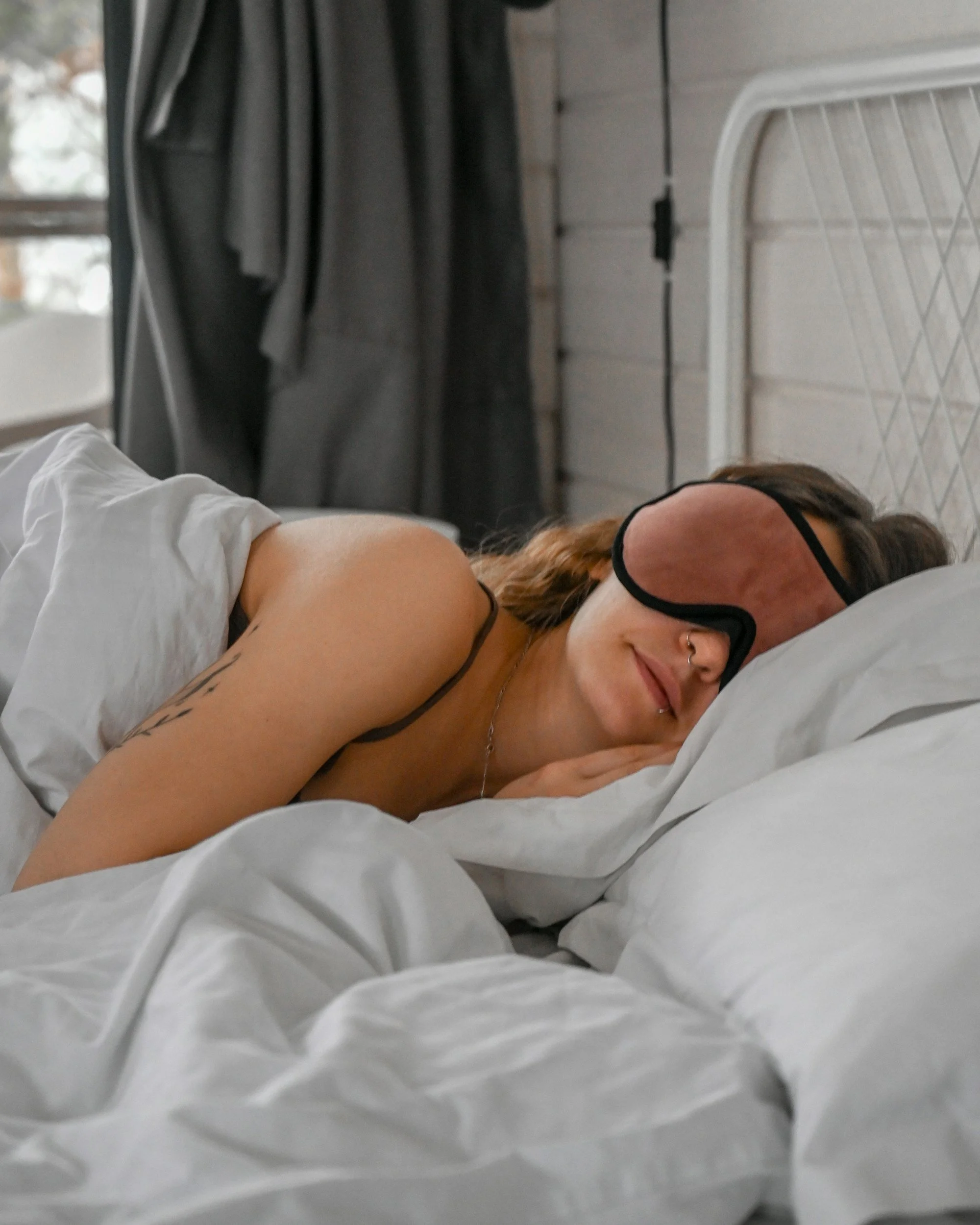
Wear an eye mask if you can’t keep your room dark
If you want more energy, better focus, fewer aches, and a stronger body, start simply with sleep.
Most people think improving their health requires big changes - more workouts, stricter routines, supplements, or extra effort. But in reality nothing upgrades your physical health faster than consistently good sleep. If you want better results from your training, faster recovery, or simply to feel human again when you wake up, sleep has to be part of your plan.
In this blog, we’ll look at why sleep matters so much for your energy and physical health, plus give you practical, easy-to-follow sleep hygiene tips you can start today.
Why Sleep Matters for Energy and Physical Health
1. Your body repairs itself while you sleep
When you exercise or do any physical activity, your muscles accumulate tiny micro-tears. This is normal - it’s part of how strength and mobility improve. But repair doesn’t happen during the workout.
It happens at night.
Deep sleep triggers hormone release, tissue repair, and muscle recovery. If you skip sleep, you’re basically skipping your recovery window.
2. Sleep reduces inflammation
Poor sleep increases inflammation in the body, which makes aches, pains, stiff joints, and injuries feel worse. Consistent, high-quality sleep helps calm the system so your body can move more freely.
3. Sleep boosts energy and motivation
When you’re sleep-deprived, your brain goes into survival mode. Everything feels harder - exercise, decision-making, stress management, even choosing healthy food.
Good sleep stabilises your energy, mood, and focus, which means sticking with your goals takes far less effort.
4. Sleep supports metabolism and weight regulation
Research shows that lack of sleep increases cravings (especially carbs and sugar), slows metabolism, and increases stress hormones. If you’re trying to feel better, move better, or lose weight, sleep isn’t optional. It’s foundational.
How Much Sleep Do You Actually Need?
Most adults need 7–9 hours of sleep per night to function well.
But really you need to ask: Do you wake up feeling refreshed?
If the answer is no, even 8 hours might not be enough, or your sleep quality might be the issue.
Sleep Hygiene Tips You Can Start Tonight
Sleep hygiene isn’t fancy. It’s simply a set of habits that help your brain and body wind down more easily.
Here are the most effective (and easiest) changes you can make:
1. Keep a consistent sleep schedule
Your body loves rhythm. Going to bed and waking up at the same time every day - yes, including weekends - improves sleep quality almost instantly.
Your brain starts releasing melatonin automatically when it knows bedtime is coming.
Aim for consistency before perfection. Even a 30–60 minute window helps.
2. Create a wind-down routine
You can’t go from full-speed to asleep like flipping a switch.
Your nervous system needs a transition.
Try any combination of these for 20–30 minutes before bed:
Light stretching or mobility work
A warm shower
Reading something light
Journaling or brain-dumping tomorrow’s tasks
Slow breathing (4 seconds in, 6 seconds out)
Your body will start to recognise the routine and respond faster over time. I personally like the shower, followed by reading and slow breathing.
3. Limit screens at least 30 minutes before bed
Blue light suppresses melatonin. But the bigger issue is stimulation. Endless scrolling tells your brain to stay alert.
If this feels impossible:
Use “Night Shift” or warm light filters
Keep brightness low
Set screen time limits - this has worked really well for me. It creates awareness of how long you’ve spent on your device, giving you choice in how you want to act on it.
Even small reductions help.
4. Keep your bedroom cool, dark, and quiet
Your body sleeps best when your core temperature drops. Aim for:
Cool room (ideally 16–19°C)
Darkness (blackout blinds, or an eye mask)
Quiet (white noise or earplugs if needed)
Your bedroom should feel like a cave - calm and distraction-free.
5. Avoid heavy meals, alcohol, and caffeine late in the day
Caffeine can impact sleep for up to 10 hours, even if you “don’t feel it.”
Alcohol may make you drowsy, but it wrecks sleep quality and recovery.
Aim for:
No caffeine after 2pm
No big meals 2–3 hours before bed
Limit alcohol close to bedtime
These tweaks alone can make a huge difference in how deeply you sleep.
6. Get morning light as early as possible
This is one of the most powerful and the easiest.
Morning daylight:
Resets your circadian rhythm
Boosts daytime energy
Makes falling asleep easier at night
Step outside for 5–10 minutes, even if it’s cloudy. Full daylight beats indoor lighting every time. I aim to go for a walk first thing every morning, mostly to get my steps in for the day…. But I do notice I feel different if I don’t follow the usual routine.
7. Move your body during the day
Exercise — including gentle movement, walking, stretching, and physical therapy — improves sleep quality and reduces time spent tossing and turning.
You don’t need intense workouts. Consistency matters more than effort.
Even a 20-minute walk helps.
Tips for Waking Up With More Energy
Not a morning person? Here’s how to make getting up less painful:
1. Avoid hitting snooze
It fragments your sleep and makes grogginess worse. Put your alarm across the room if needed.
2. Expose your eyes to light immediately
Open curtains or step outside. Morning light tells your brain: “It’s time to wake up.”
3. Drink water in the first 5 minutes
You wake up slightly dehydrated. Hydration = faster energy.
4. Move your body a little
Try:
Neck rolls
Cat-cow
Shoulder circles
A short walk
Movement switches on your nervous system gently instead of jolting it.
Sleep Is the Foundation of Your Energy, Strength, and Recovery
If you’re training, healing from injury, trying to improve mobility, or wanting more consistent energy, sleep is the superpower behind it all.
You don’t need perfection. You just need consistency.
Start with one or two changes from this list and build from there. Your body, your energy, and your mood will all thank you for it.
Sabrina is a movement specialist based in Worcester Park, London, helping people overcome pain, move better, and enjoy active, fulfilling lives. With expertise in sports and remedial massage, personal training, and the Emmett Technique, she works with clients to relieve pain, improve mobility, and build strength. Treatments and training sessions take place in her private home treatment and training room. If you would like to discuss your needs, book a Discovery Call.