
How To Make Your Fitness Resolution Last
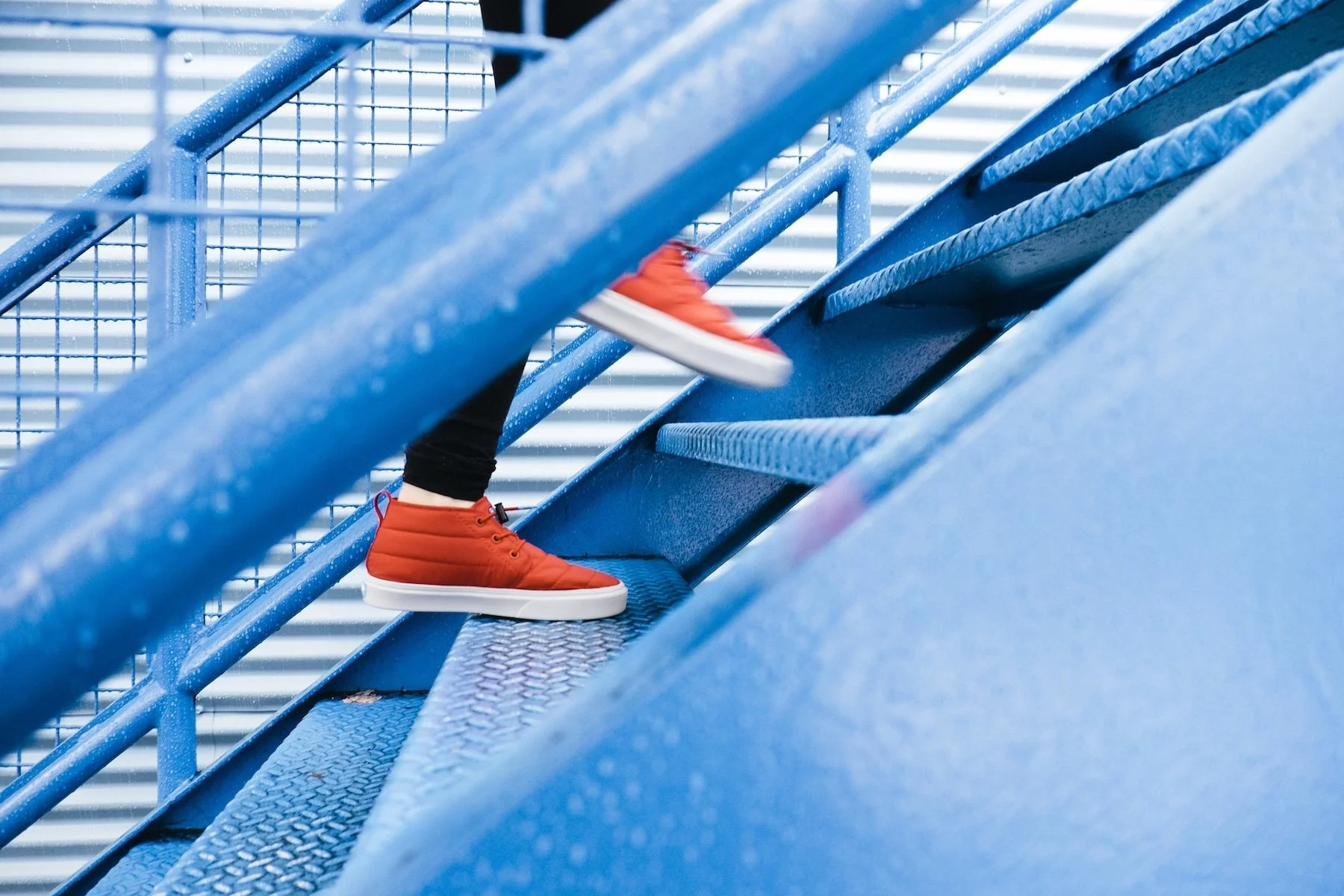
Start by simply walking up and down the stairs without using your hands to pull you up
As we start a new year, many decide that this will be the year they get fit and lose weight. They join a gym and may even attend a few sessions. The majority, however, are more than likely to revert back to their usual behaviours before the month ends.
According to Strava, Quitter’s Day lands on 17th January. In 2019, Strava analysed early-year activity data and found that by the second Friday of January, commitment dips, progress slows, and roughly 80% of people abandon their resolutions.
Most people don’t fail because they lack motivation. They fail because they try to change too much, too quickly.
The problem with big changes
At the start of the year, people set high expectations:
Exercising five or six times a week
Cutting out entire food groups and alcohol
Overhauling sleep, work, and social habits all at once
This creates pressure. So when life inevitably gets busy, the fitness plan goes to pot. You get tired and you lose motivation. You can no longer exercise five or six times a week. You feel guilty. Missing one session turns into “I’ve failed” so why bother. It’s easier to just give up.
Big changes like this rely heavily on willpower, and we only have so much willpower.
Small steps work better
Small, consistent actions don’t demand huge amounts of energy or discipline. They’re easier to repeat, and repetition is what turns actions into habits. Fitness should be a life habit that you just do, like brushing your teeth, so how do you make it such?
Instead of aiming for perfection, small steps focus on consistency:
A 10–15 minute walk most days
Two short strength sessions a week eg 20 minutes
Gentle mobility work in the morning or evening - some stretching and taking your joints through its full movement.
These actions may feel insignificant. You might want to avoid them in exchange for something more exhilarating, heart pumping and exhausting, but these are the sessions that build over time. More importantly, they’re sustainable.
The body responds better to gradual change
From a physical point of view, the body adapts best when stress is introduced gradually. Sudden increases in exercise intensity or volume are a common reason people pick up injuries, aches and flare-ups, especially if they’ve been inactive for a while.
If you’ve spent the majority of the previous year or years sitting around, and suddenly you decide to jump around or lift heavy weights - your body is going to protest either through a pulled muscle or extreme fatigue in the following days.
In the past, I’ve had clients tell me that they went to the gym for 3 hours, now they can’t move. What had they done in the run up to this session - nothing, they were sedentary. This is an example of too much, too soon. Taking smaller, more consistent action would serve them better.
Small steps allow:
Muscles, joints, and tendons to adapt
The nervous system to feel safe with movement
Confidence to build without fear of pain or injury
Your body needs time to adapt. This is particularly important if you’re returning to exercise after time off or managing ongoing aches and pains.
Success comes from showing up, not going all-in
Long-term change isn’t about doing everything perfectly in January. It’s about choosing actions you can realistically keep doing in February, March, and beyond.
Ask yourself:
What feels achievable right now?
What could I do consistently, even on a busy week?
What would feel like progress without overwhelming me?
Those answers usually lead to smaller, more realistic steps, and that’s exactly where real change starts.
Start small. Stay consistent.
If your goal this year is to move more, feel stronger, or get out of pain, start with something really small and build slowly, like walking. Let success come from repetition, not extremes.
Small steps, done consistently, will always beat big plans that don’t last.
Past clients have chosen to work with me because they were either new to exercise after living a sedentary life or were living with aches and pains that were holding them back from everyday activities.
Through working with me, these clients have been able to develop and maintain their routines and have turned exercise into life-time habits.
If you’d like support creating a realistic, sustainable plan that works with your body, not against it, get in touch.
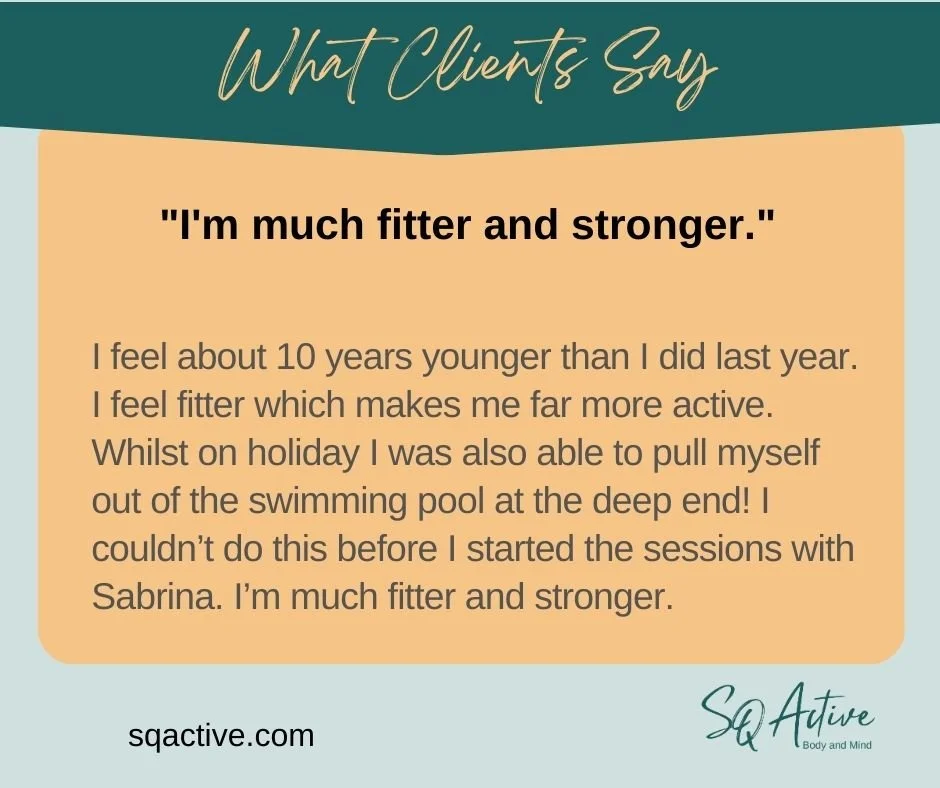
Don’t let your body make you feel old. Exercise not only helps you move better but also boosts your energy!
Sabrina is a movement specialist based in Worcester Park, London, helping people overcome pain, move better, and enjoy active, fulfilling lives. With expertise in sports and remedial massage, personal training, and the Emmett Technique, she works with clients to relieve pain, improve mobility, and build strength. Treatments and training sessions take place in her private home treatment and training room. If you would like to discuss your needs, book a Discovery Call.