
Is Avoiding Painful Movements Making Things Worse?
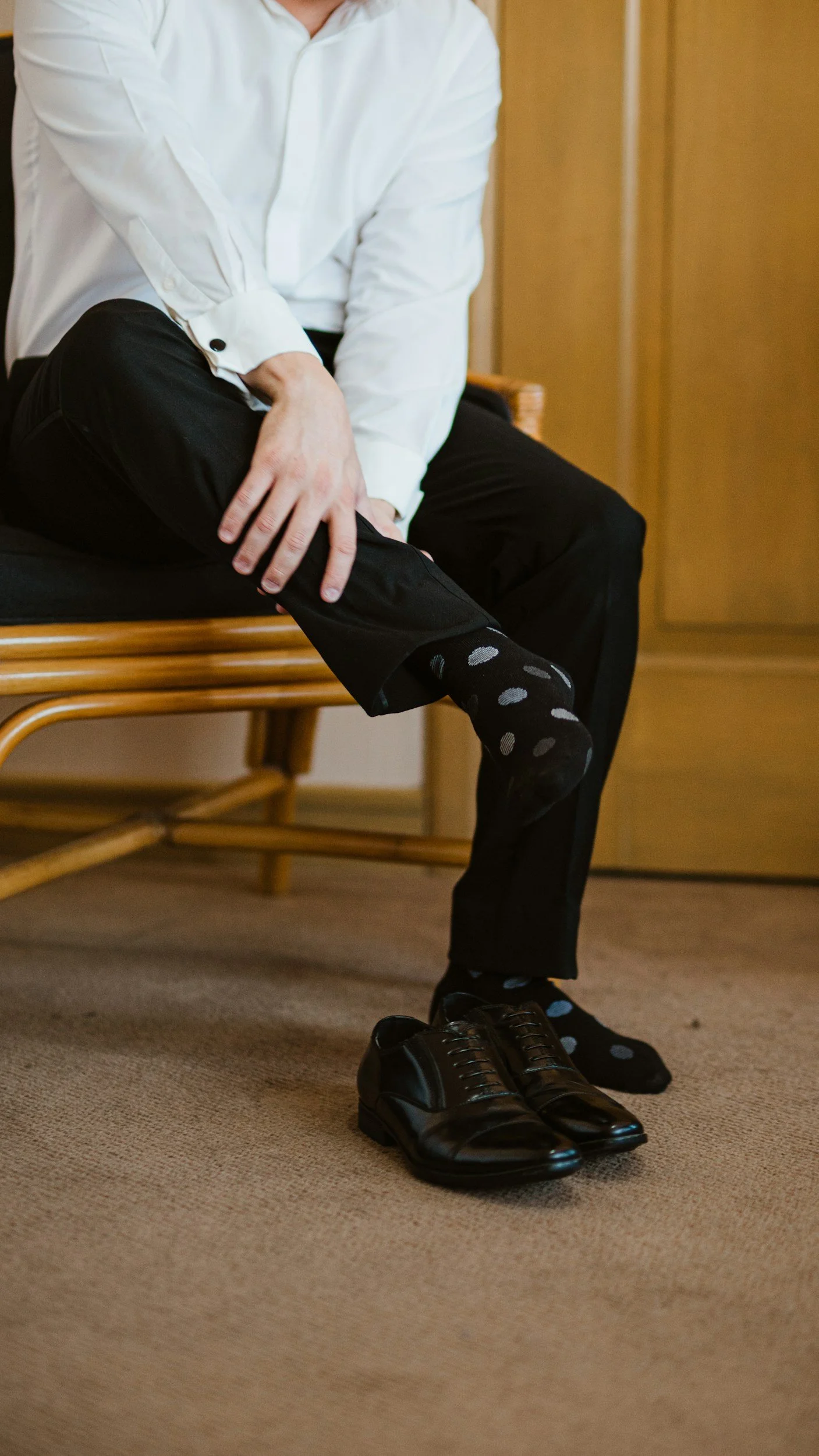
Back hurts when you put on your socks?
It’s completely understandable to avoid movements that hurt - something hurts, so you stop doing it. But how long should you avoid said movement for?
For example: you bend down once, your back twinges, and suddenly you’re avoiding tying your shoelaces properly. Your knee complains on the stairs, so you start taking the lift. Your shoulder grumbles when you reach overhead, so you simply… stop reaching.
Short term? It feels sensible, you want to protect it, so it’s a wise decision to avoid it.
Long term? It actually makes things worse.
The Problem With Avoidance
Your body adapts to whatever you repeatedly do.
If you move regularly, it adapts to movement. If you avoid movement, it adapts to restriction.
When you stop using a movement because it hurts, a few things will start to happen:
Muscles become weaker because they’re not being challenged.
Joints stiffen because you’re no longer taking them through their full range of movement.
The nervous system becomes more protective and sensitive.
You lose confidence in your ability to move safely.
That last one is really important. Pain isn’t just about tissue damage. It’s also about how you perceive movement and danger. If your brain starts to associate a movement with danger, it will tighten things up and increase sensitivity the next time you try it. This isn’t because it’s damaged, but because it thinks that area needs protecting.
Your lack of movement means that future movement is now scary movement. It becomes a never ending cycle of avoid → stiffen → feel worse → avoid more. Meanwhile the muscles in that area weaken, destabilising the joint.
What Happens Over Time
Once you develop a habit of movement avoidance, you’ll find it soon starts to spreads to avoiding whole activities.
You might start with not bending over because your back twinges or has spasmed - putting on your socks becomes a challenge so you buy a device to aid you. Months later, it’s no longer just an aid for the socks, you’re no longer gardening, lifting shopping bags properly, or playing with the grandchildren on the floor. All of this occurs not because your body has physically stopped working, but rather you’ve lost trust in your body.
That loss of trust is dangerous, and that is what can eventually lose you your independence.
Your body is active and living tissue. It needs to move and it needs to be challenged. Joints rely on daily stress in order to renew and stay resilient. Bones require stress to force them to continue building new bone cells. When you stop moving and challenging your muscles and soft tissue, resilience is lost and everything weakens. You basically reduce your capacity to continue doing things for yourself.
Moving Through Pain (Without Being Reckless)
Now, this doesn’t mean “push through anything and ignore your body”. It means learning to work with it.
There’s a difference between:
Sharp, escalating pain that doesn’t settle - actual injuries
And manageable discomfort that eases afterwards
For many long-term aches and niggles, gradual exposure is the answer.
That might look like:
Reducing the range slightly, rather than stopping completely
Slowing the movement down
Doing fewer repetitions
Adding support or control
What you want to do is rebuild tolerance in to your body. Teach your body that it is safe to move again. Small steps all add up and allow you to increase and improve gradually and safely. This also more importantly helps you build confidence.
I love it when clients regale me with stories about things they can now do, that they had previously found challenging: like balancing on one leg to put on their shoes, being able to reach high into cupboards without any sign of pain, being able to get in and out of the car with ease. Climbing the stairs without fear of falling. Being able to stand up without use of their hands - this is a big one! No one should be relying on their hands and arms to get them up from a sitting position.
The Bigger Picture
Your body is incredibly adaptable. But it adapts according to how you treat it. So if you regularly avoid movement, the adaptation is towards fragility. If you move, intelligently and progressively, it becomes stronger.
Pain can make you feel cautious, and that’s a good thing. Pain is a signal that something might need addressing, but pain should not stop you living your life. Pain can be overcome through working through it in an appropriate manner. Learning to move better not only enables you to move more confidently but will also be more efficient, helping you feel more energised.
Let’s not focus on eliminating every sensation, but rather learn to move well enough, often enough so that your body remembers what it’s capable of. And once that trust returns, everything else starts to open up again.
If you would like help learning to trust your body again, book your discovery call.
Sabrina is a movement specialist based in Worcester Park, London, helping people overcome pain, move better, and enjoy active, fulfilling lives. With expertise in sports and remedial massage, personal training, and the Emmett Technique, she works with clients to relieve pain, improve mobility, and build strength. Treatments and training sessions take place in her private home treatment and training room. If you would like to discuss your needs, book a Discovery Call.